Abstract Paintings in the Interior: How to Understand and Choose
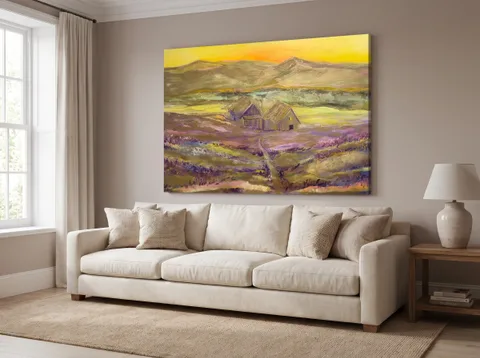
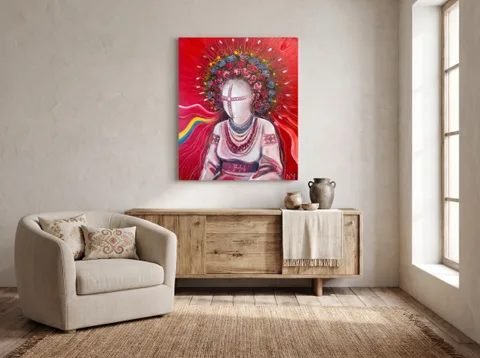
Figurative painting—landscapes, still lifes, portraits—has a long tradition in Ukrainian homes. Yet more and more often, collectors and interior designers turn to abstract art. Why does abstraction work so well in contemporary living spaces, and how do you choose a piece that truly resonates with you?
How We Perceive Abstract Art
Abstract painting can be cool, structured, and intellectual—or deeply emotional, warm, and spontaneous. Either way, it acts as a mirror of the owner’s temperament and inner state.
Think of it as stepping into a landscape—not looking at a picture of one, but actually being there: on a misty morning, in a sunlit field, or in the rhythm of an evening city. Sometimes it is hard to put that feeling into words, yet you instantly know whether you want to stay in that state. Abstract art works the same way: it speaks directly through color, rhythm, and proportion, bypassing literal storytelling.
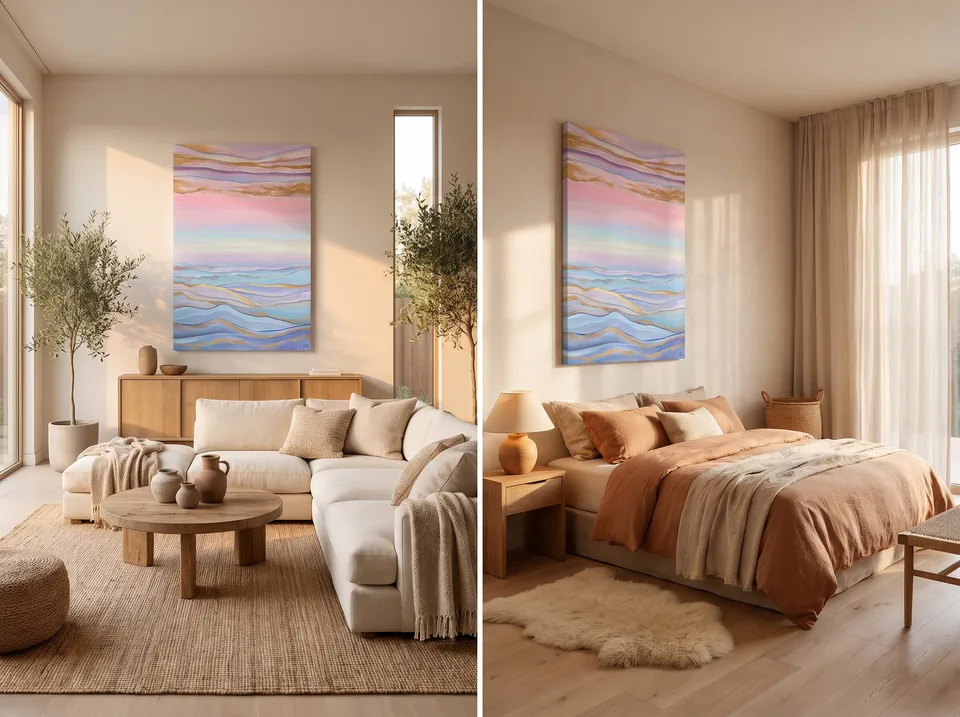
Good abstraction engages more than just sight. Visual rhythm and color harmonies trigger associations—memories of sounds, scents, warmth, or movement. And because non-objective art does not impose a single narrative, it gives you freedom. Sometimes you fall in love with a canvas at first sight; sometimes its depth unfolds gradually. Best of all, it never requires an explanation of “what is painted here”—only how it makes you feel.
Why Texture and Natural Light Matter
In abstract painting, surface and texture play a decisive role. Multiple glazes, thick impasto brushwork or delicate transparent layers, the grain of the canvas, and mixed-media elements all shape the artist’s signature and give the work a physical presence.
A photograph on a screen flattens these nuances. When you see an original painting in person, you perceive the relief of the brushstrokes and how the surface catches the light. Throughout the day—from crisp morning light to warm evening lamps—an abstract canvas changes its mood and reveals new details.
Where Abstract Paintings Work Best
Abstract art fits naturally into almost any contemporary, minimalist, neoclassical, or eclectic space. It is especially rewarding in rooms where you spend quiet, unhurried time and can let your eyes rest on the artwork:
- Living rooms and dining areas — as an expressive focal point that sets the emotional tone of the room;
- Bedrooms and private studies — where calmer palettes and tactile textures create a sense of balance and intimacy;
- Public and representative spaces — executive offices, lobbies, and lounge areas, where an original canvas adds character and depth.
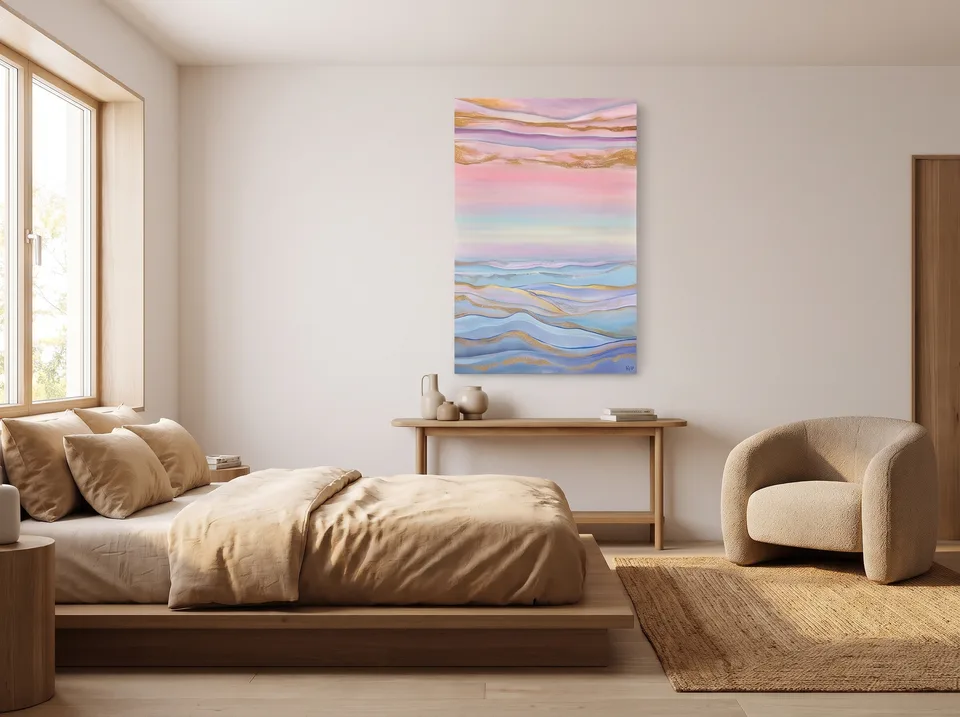
If you are looking for a painting for your space and would like to see how a specific work fits your interior, feel free to get in touch—I am always happy to help you choose.